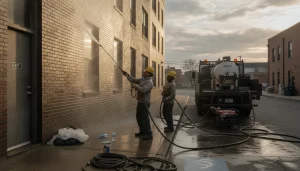
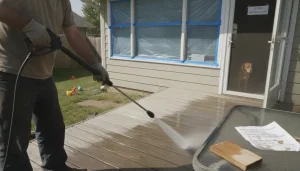
A gutter cleaning service removes leaves, nests, dirt, and other debris from gutters and downspouts. It also checks water flow, loose parts, sagging areas, and discharge points. For Punta Gorda property owners, this care can help spot small issues before overflow harms the roof, siding, windows, landscaping, or foundation.
Table of Contents
- What does a professional gutter cleaning service include?
- How often should gutters be professionally cleaned?
- What are the warning signs that gutters need cleaning?
- How are gutters cleaned safely and effectively?
- How are downspouts checked during gutter cleaning?
- What water damage can neglected gutters cause?
- How can homeowners maintain clean gutters between services?
- Key takeaways
- Frequently Asked Questions
- Conclusion
What does a professional gutter cleaning service include?
A professional gutter cleaning service often includes an inspection, debris removal, downspout checks, and a review of visible gutter parts. The goal is not only to remove leaves. It is also to help rainwater move away from the home as planned.
How professionals inspect gutters, downspouts, and drainage points
The work often starts with a visual check from the ground. The technician looks for overflow marks, loose fasteners, bent sections, rust, cracks, and spots that hold water. They may also check roof edges, gutter guards, splash blocks, drain extensions, and nearby plants.
A drainage point is where water leaves the downspout. It may lead to a splash block, buried drain, driveway, or planted area. The discharge point should move water away from the foundation, not send it back toward the house.
Pressure Washing Punta Gorda FL can help Punta Gorda homeowners learn which parts need cleaning and which parts may need repair. Cleaning does not always include repairs, so property owners should ask what the visit covers before work starts.
What debris and gutter conditions the service addresses
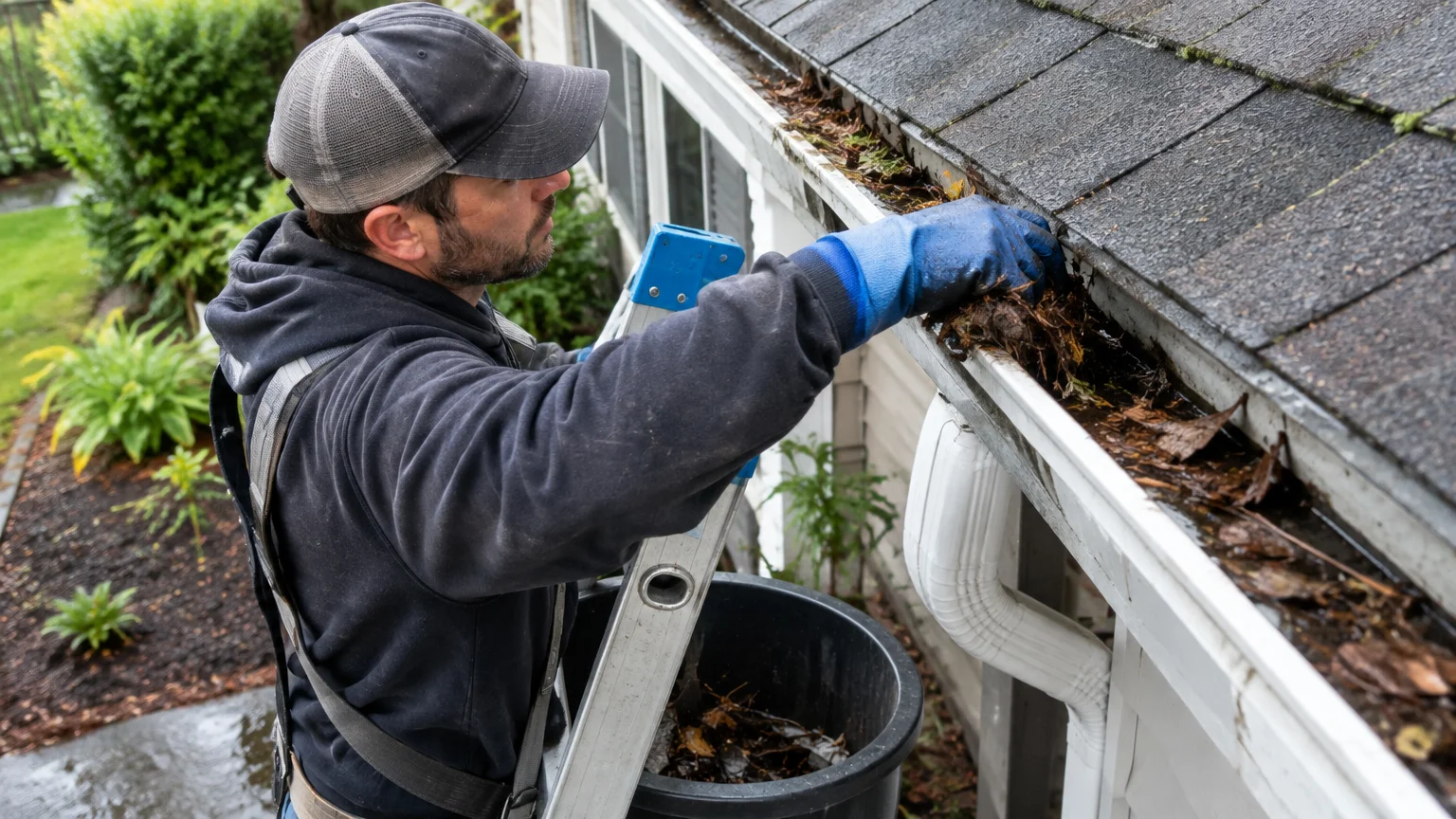
Technicians may remove leaves, pine needles, seeds, roof grit, small branches, nests, and packed dirt. Wet debris can become heavy and hard to remove. It can also hide cracks, blocked outlets, and loose gutter hangers.
Gutter guards can lower the amount of debris that enters the channel, but they do not remove the need for care. Leaves may collect on top, and fine material may pass through the openings. Gutter guard cleaning may be needed when water no longer reaches the gutter channel.
A clean gutter should carry water toward its outlet without long areas of standing water. If the channel is bent or has a poor slope, cleaning alone may not fix the problem. The technician can point out these concerns so the owner can plan the next step.
How often should gutters be professionally cleaned?
Many homes need gutter cleaning once or twice each year, but the right schedule depends on the property. Trees, roof design, storms, gutter guards, and local weather can all change how fast debris builds up.
Which seasonal and property factors affect the schedule
Homes near mature trees often need more care than homes with little plant cover. Pine trees can drop needles throughout the year. Broadleaf trees may fill gutters during leaf fall. Storms can also move twigs, seed pods, and roof grit into the system.
A roof with many angles, valleys, dormers, or nearby branches may collect debris faster. A steep roof can send more water into a small gutter area during heavy rain. Commercial buildings, rental homes, and large properties may need a planned schedule that matches their roof size and surroundings.
Property owners should also think about past problems. A home that has overflowed during rain may need closer checks, even after one cleaning. The best schedule is based on actual buildup, not one rule for every home.
When homes with trees or complex roofs need extra attention
A homeowner can look at the gutters after major storms and during heavy leaf fall. If the channel fills quickly, the next visit should happen sooner. The same is true when downspouts stop flowing or water spills over the front edge.
In Punta Gorda and nearby parts of the main Punta Gorda area, weather and tree cover can vary by property. Historic Downtown Punta Gorda, Burnt Store Isles, Port Charlotte, Charlotte Park, Deep Creek, and Harbour Heights may all have different drainage needs. Pressure Washing Punta Gorda FL should assess the home instead of promising the same schedule for every customer.
A simple check can guide future care. The homeowner can note where debris gathers, how long the gutters stay wet, and whether water reaches the planned discharge area. These notes can show patterns over time.
What are the warning signs that gutters need cleaning?
Overflowing water, visible debris, sagging sections, and stains along the gutter edge are common signs that cleaning is needed. Some clues appear on the home or ground instead of inside the gutter.
Visible signs of overflowing, sagging, and blocked gutters
Homeowners should watch for these signs during or soon after rain:
- Water spilling over the front or back edge of a gutter
- Gutters pulling away from the fascia board
- Plants, leaves, or soil growing inside the gutter channel
- Dark streaks or water marks beneath the roof edge
- Pools of water near the foundation after a storm
- Downspouts dripping slowly or stopping completely
A sagging gutter may hold water even when it looks fairly clean. Loose hangers, damaged fascia, or heavy debris can change the gutter slope. Cleaning may show the cause, but damaged parts may need separate work.
Indoor and foundation-related clues homeowners should not ignore
Water damage may show up inside the home before the gutter problem is clear. Damp walls, peeling paint near windows, musty smells, and moisture in a basement or crawl space need prompt review. These signs can have many causes, so a gutter check is only one part of the process.
Cracks, soil washout, eroded mulch, or soft ground near the foundation can also point to poor drainage. Water that lands close to the home may enter through small gaps or place pressure on foundation walls. Clogged gutter damage often grows slowly, which makes early action helpful.
Homeowners should not climb onto a wet roof to check a problem. A ground-level view, a safe camera, or professional help is a better choice when access is risky.
How are gutters cleaned safely and effectively?
Professionals remove debris by hand, with scoops, vacuums, blowers, or controlled water flow. The best method depends on the gutter condition, roof design, access, debris type, and nearby property features.
Common tools and methods used to remove gutter debris
Loose leaves may come out with a hand scoop or gutter vacuum. A vacuum can help limit mess around patios, gardens, and walkways. Water may be used after large debris is removed to rinse the channel and check flow.
Heavy or packed debris may need careful hand removal before rinsing. A forceful stream is not always right. High pressure can damage loose seams, old gutters, roof materials, paint, or nearby screens.
Pressure washing and soft washing use different methods. Pressure washing uses stronger water force for hard surfaces. Soft washing uses lower pressure and a cleaning solution suited to the surface. Neither method should be used carelessly on fragile gutters or roof coverings.
Related exterior cleaning work, such as driveway cleaning, concrete cleaning, deck cleaning, or fence cleaning, also needs the right method for each surface. Gutter parts can be more delicate than many outdoor surfaces.
How professionals manage ladders, roof access, and property safety
Safe work starts with stable ground and careful ladder placement. Technicians should keep ladders away from weak surfaces, power lines, unstable soil, and wet areas. They should also protect doors, windows, plants, outdoor furniture, and walkways from falling debris and rinse water.
Roof access is not always needed. Many gutters can be reached from ladders or ground-based tools. When roof access is required, the technician should consider the roof pitch, surface condition, weather, and fall risk.
A homeowner does not need a professional for every task. A person who can safely reach a low gutter may remove a small amount of loose debris from the ground or a secure ladder. Professional help is safer for high roofs, steep slopes, wet surfaces, packed clogs, unstable ladders, and gutters near electrical lines.
How are downspouts checked during gutter cleaning?
Downspouts are checked for blockages and tested to see whether water moves through them. A clean gutter cannot protect a home if the downspout outlet is blocked or sends water toward the foundation.
Why blocked downspouts can cause problems beyond the roofline
A downspout carries roof water from the gutter to a safe discharge area. When the tube is blocked, water may back up into the gutter and spill over the edge. It can also leak at joints or force water out near the roofline.
Blocked downspouts can leave water beside siding, windows, doors, walkways, and foundation walls. Standing water can also keep soil wet and encourage algae or plant growth near the home.
Gutter cleaning and downspouts should be treated as one system. Clearing only the visible gutter leaves a major part of the drainage path untested.
How water flow and discharge areas are tested
After debris removal, the technician may run a controlled amount of water through the gutter. This test can show whether water reaches the outlet and whether the downspout leaks, backs up, or drains too close to the house.
The technician may also check elbows, seams, underground connections, splash blocks, and extensions. A downspout can look clear at the top while a clog remains lower down. If water does not flow well, the blockage may need another clearing method.
The final discharge area matters as much as the downspout. Water should not wash away soil or collect beside the foundation. An extension or drainage change may help, but the right fix depends on the property layout.
What water damage can neglected gutters cause?
Neglected gutters can send roof water onto parts of the home that were not made to handle it. Over time, overflow may affect the roof edge, fascia, siding, windows, landscaping, and foundation.
How overflowing water affects roofs, siding, windows, and foundations
Water that spills over the back of a gutter can soak fascia boards and roof-edge materials. Repeated moisture may lead to rot, stains, peeling paint, or loose trim. Water that spills over the front can mark siding and windows.
Near the ground, runoff can wash away soil and mulch. It may leave muddy areas, harm plants, or create slippery walkways. When water collects beside the foundation, it can enter through cracks, joints, window wells, or other weak points.
The result depends on the home design, soil, slope, weather, and how long the problem continues. One small overflow is not the same as repeated flooding through many seasons. Still, repeated signs should not be ignored.
Why delayed maintenance can create larger property problems
Debris becomes heavier when it stays wet. That added weight can pull on hangers, seams, and fascia. Roots and small plants may also grow in packed debris, making later removal harder.
Delayed care can hide other defects. A clog may cover a cracked section, while a gutter guard may hide a blocked outlet. Finding these issues early gives the owner more choices and may help keep damage from spreading.
Pressure Washing Punta Gorda FL can help property owners review visible drainage concerns before they become larger maintenance problems. This care can help landlords, investors, and commercial property owners keep track of repeated issues.
How can homeowners maintain clean gutters between services?
Homeowners can monitor gutters after storms, during leaf fall, and before periods of heavy rain. Safe ground-level checks and quick attention to overflow can reduce the chance of a small blockage becoming a larger problem.
Practical steps for monitoring gutters after storms and seasonal changes
A homeowner can follow these simple steps:
- Look for leaves, branches, nests, and roof grit from the ground.
- Watch the gutter edge during rain from a safe indoor or ground-level spot.
- Check whether each visible downspout sends water away from the home.
- Look for new stains, soil washout, loose sections, or wet foundation areas.
- Trim branches only when the work can be done safely from the ground.
- Keep notes about spots that overflow or fill faster than others.
Gutter guards should also be checked. They can collect debris on top and may need cleaning around their edges. A guard does not remove the need to inspect the whole gutter system.
When professional help is safer than DIY gutter cleaning
DIY cleaning may suit a low, easy-to-reach gutter with light, dry debris. The person should use stable equipment, avoid wet conditions, and never work near power lines. They should keep both feet secure and avoid reaching sideways from a ladder.
Professional help is a better choice for tall homes, steep roofs, fragile materials, heavy clogs, hidden downspout blockages, and gutters above difficult landscaping. It is also wise when the owner sees sagging, rust, leaks, or damaged fascia.
A professional visit can remove debris while checking the full water path. This is useful for Punta Gorda properties with different roof styles, tree cover, and drainage layouts.
Key takeaways
- A gutter cleaning service removes debris and checks the full drainage path.
- Cleaning needs vary with trees, roof design, storms, and past overflow.
- Downspouts must be tested because a clear gutter can still drain poorly.
- Overflow can affect the roof edge, siding, windows, soil, and foundation.
- DIY work may suit low gutters, but high or risky access needs professional care.
Frequently Asked Questions
How long does a professional gutter cleaning visit take?
The time depends on the home size, gutter length, roof design, debris level, access, and downspout condition. A small, easy-to-reach system may need less work than a large home with steep roof sections and packed debris. The technician can explain the expected work after reviewing the property.
Should gutters be cleaned before or after roof cleaning?
Gutters are often checked after roof cleaning because roof work can move grit, leaves, and loose debris into the channels. The best order depends on the services and roof condition. A property owner should ask how the team will protect the gutters and whether a final flow check is included.
Can gutter guards prevent all clogs?
No. Gutter guards can reduce the large debris that enters the channel, but leaves, seeds, pine needles, and fine roof grit may still collect. Debris can also sit on top of the guard. The system still needs checks and cleaning when water flow slows.
Is gutter cleaning safe to do without a professional?
It can be safe when the gutter is low, the ground is stable, the debris is light, and no power lines are nearby. Tall walls, steep roofs, wet surfaces, weak ladders, and packed clogs raise the risk. In those cases, professional help is the safer choice.
What should homeowners ask before booking service?
Homeowners should ask whether the work includes downspout testing, debris cleanup, gutter guard checks, and a review of visible damage. They should also ask how the team will protect plants, siding, windows, and walkways. The quote should clearly explain the planned work before service begins.
Conclusion
Professional gutter cleaning involves more than scooping out leaves. A complete visit reviews gutters, downspouts, drainage points, visible damage, and water flow. Regular checks can help Punta Gorda homeowners act before overflow causes wider property problems.
Pressure Washing Punta Gorda FL can help property owners decide whether the system needs routine cleaning, extra care after storms, or a closer review of drainage concerns. Contact us to arrange a gutter cleaning service.